
Learn / Plan / Take a next step
Practical resources
Start with one useful step for your home, your family, or your community. These short guides pair everyday actions with established sources of further help.

01 / Housing
Prepare for your next housing conversation.
Whether you rent or hope to buy, begin with what your household needs and what you can afford today.
- List monthly housing costs, including utilities, transport, deposits, and maintenance.
- Write down your deadlines and questions before speaking with a housing counselor.
- Ask about eligibility, fees, and required documents. Share documents only through a provider's secure process.
Housing availability and assistance eligibility depend on the provider. This guide is not legal or mortgage advice.

02 / Everyday money
Make a simple household money plan.
A useful plan starts with an honest picture, not a perfect spreadsheet. Work with the amounts and dates you know.
- Write down income you expect this month and when it arrives.
- List essentials, minimum debt payments, and due dates; compare the total with your income.
- Choose one manageable action: track a week of spending, ask a provider about payment options, or set aside a small amount when possible.
General education only. A qualified professional can help with individual debt, tax, legal, or investment decisions.
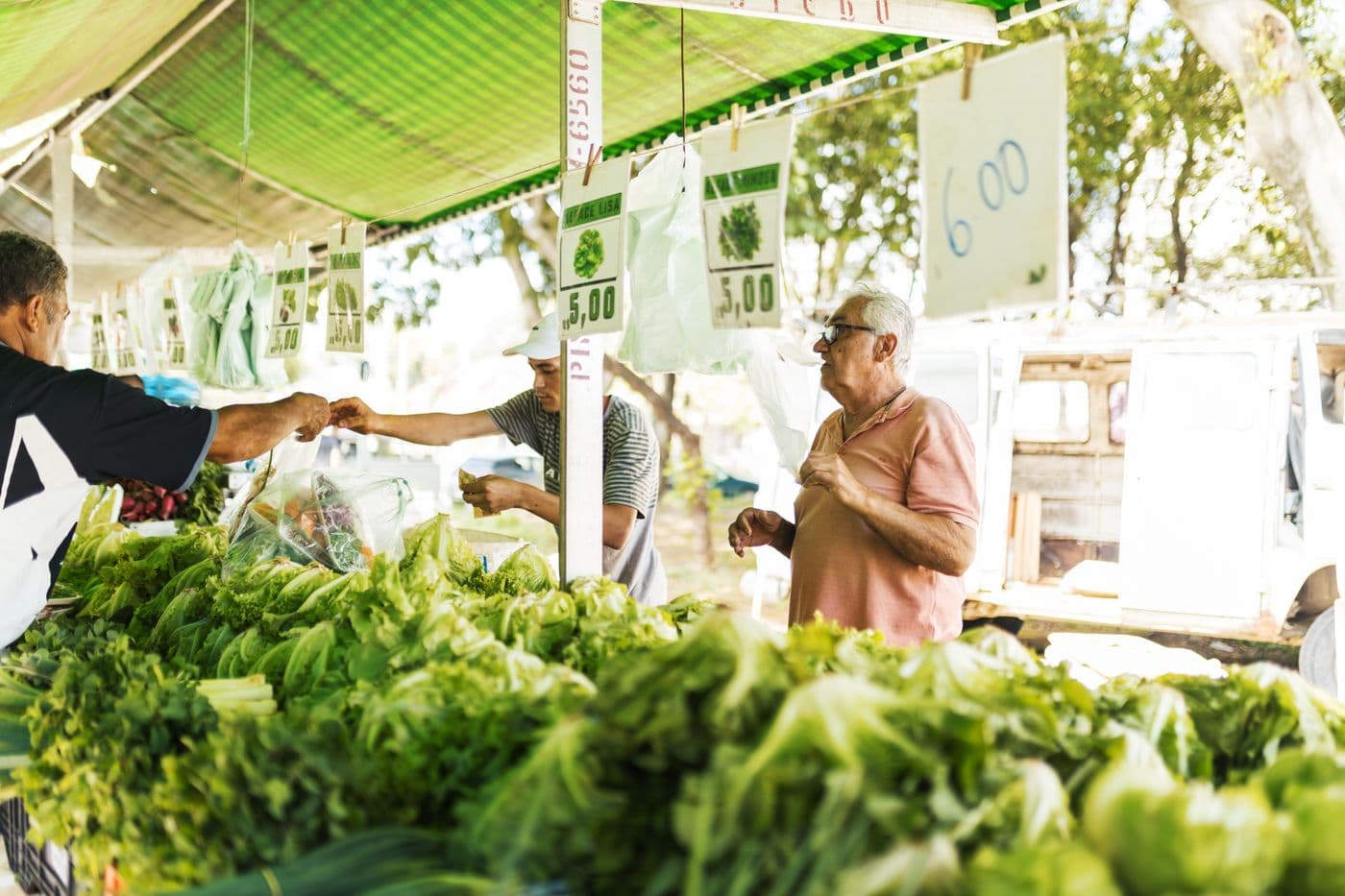
03 / Food & homesteading
Start small. Grow something useful.
Food-growing can begin with a container or a small bed. Learn what suits your space before buying supplies.
- Observe sunlight and check access to water; choose a container with drainage or a suitable garden site.
- Ask your county Extension office which edible plants and planting dates fit your local climate.
- Start with one or two crops your family eats. Keep notes on watering, growth, and harvest so you can learn each season.
Use Extension guidance for soil safety, pests, and food preservation. Our farmers market and teaching programs are still in development.
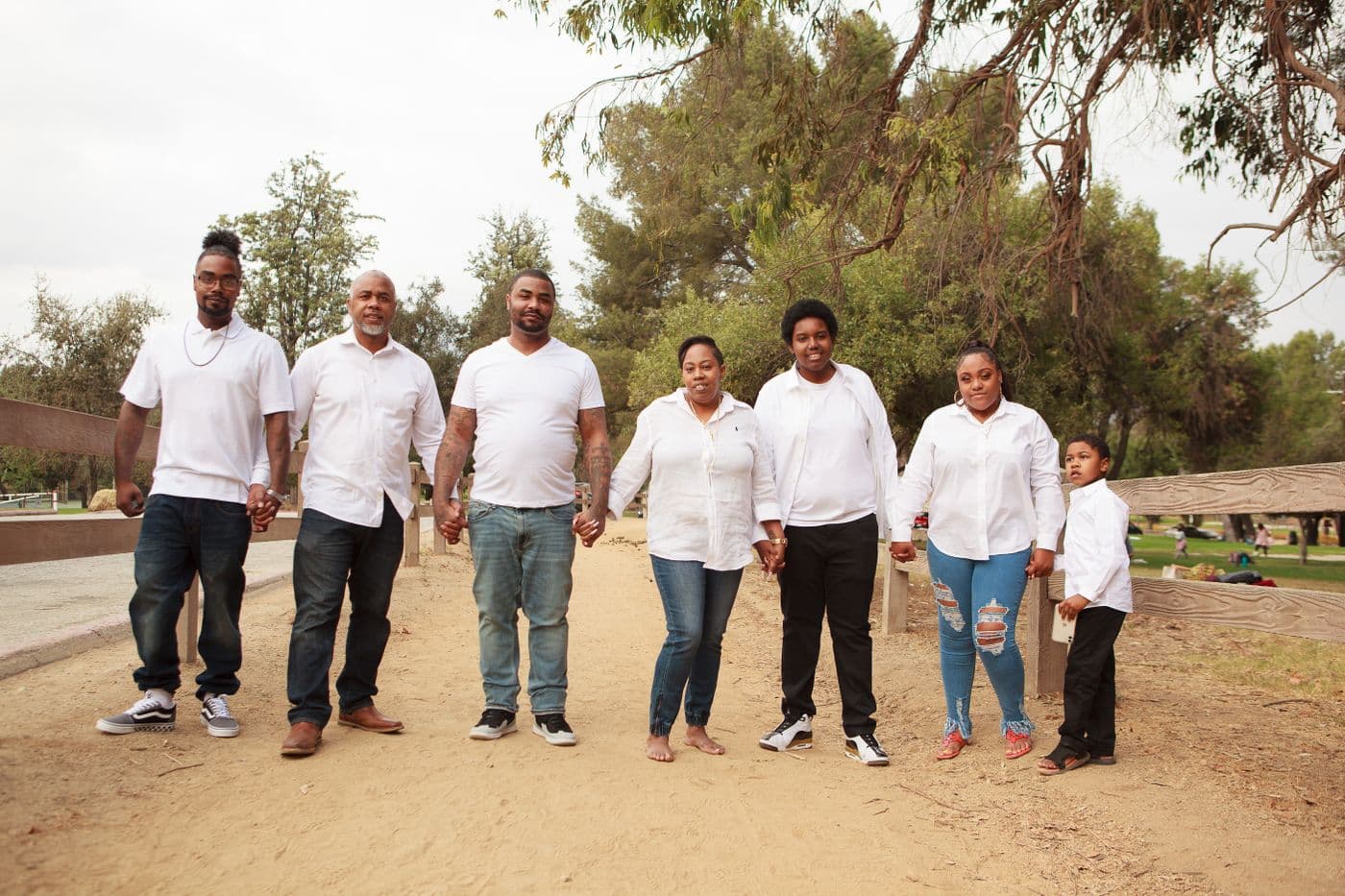
04 / Family & community
Find support that fits your family.
You do not need to solve every need at once. A local directory can help you identify a place to begin.
- Choose your most pressing need: food, utilities, housing, caregiving, or another concern.
- Contact 211 and ask about services in your ZIP code, current availability, and application requirements.
- Keep a private note of who you contacted and your next step. Ask permission before sharing another person's information.
Directories are independent of The 7th Year. Referrals and listings do not guarantee assistance.
A little clarity goes a long way
Questions before you begin.
Learning resources are available now. Partner-led services and future programs have their own availability and requirements.
See what is in developmentAre these organizations partners?
HUD, CFPB, AgriLife Extension, 211, and 988 are independent educational or support resources. They are not listed as confirmed partners. Meet our confirmed partners.
Do I need to share my story to receive help?
No. Private support and public storytelling are separate. Only share what is needed, and never send financial account details, medical records, or sensitive survivor case information through this website.
Where can I turn for urgent help?
In immediate danger, call 911. In the United States, call or text 988 for suicide or mental-health crisis support, or contact 211 for local assistance. The 7th Year is not an emergency service.
Visit the 988 LifelineHow should I evaluate a resource?
Check the official provider website, current eligibility, costs, and privacy practices. Be cautious of guaranteed outcomes or requests for payment before you understand the service. Health decisions belong with qualified healthcare professionals.